

Earlier this year Trump signed a law that stripped away enforcement. This week his administration announced it’s using that law to roll back the standard for 2031.
Your next car might come with a cost you’ll never see on the sticker, but you’ll breathe it. Earlier this year a law passed by Congress and signed by Trump stripped away the enforcement behind our clean-car rules, and almost no one is talking about what that means for your family. I wrote about how “dark money” fueled the bill here.
You should know, because this change hits your wallet and your children’s lungs at the same time. Policies shaped by money and influence rewrote the standards that once protected your community, and this piece shows you exactly how that happened and why it matters now.
What Happened
This summer Congress passed what it called its One Big Beautiful Bill Act. Among its many provisions it removed the enforcement mechanisms behind fuel economy standards for new cars. Automakers no longer face meaningful penalties if their vehicles underperform on efficiency. The federal requirement, known as Corporate Average Fuel Economy rules, that once pushed carmakers to improve mileage and cut emissions lost its teeth. The result: the pressure to move toward cleaner, smarter vehicles evaporated overnight.
Now the administration seeks to set the new standard for 2031 at a fleetwide average of roughly 34.5 miles per gallon. That starkly replaces the prior target of about 50.4 miles per gallon. That rollback makes it much easier to sell traditional gasoline-powered cars and light trucks that guzzle fuel and produce more toxic emissions.
The administration claims this reset will hold down the sticker price on new cars and protect consumer choices. Automakers and their leaders praised the decision as relief from “unrealistic” requirements.
What This Means For You and Your Family
For your family this rollback represents extra cost day after day. Cars that get lower fuel economy mean more frequent visits to the pump. As gas prices fluctuate and rise, those extra miles per gallon you lose translate into real money.
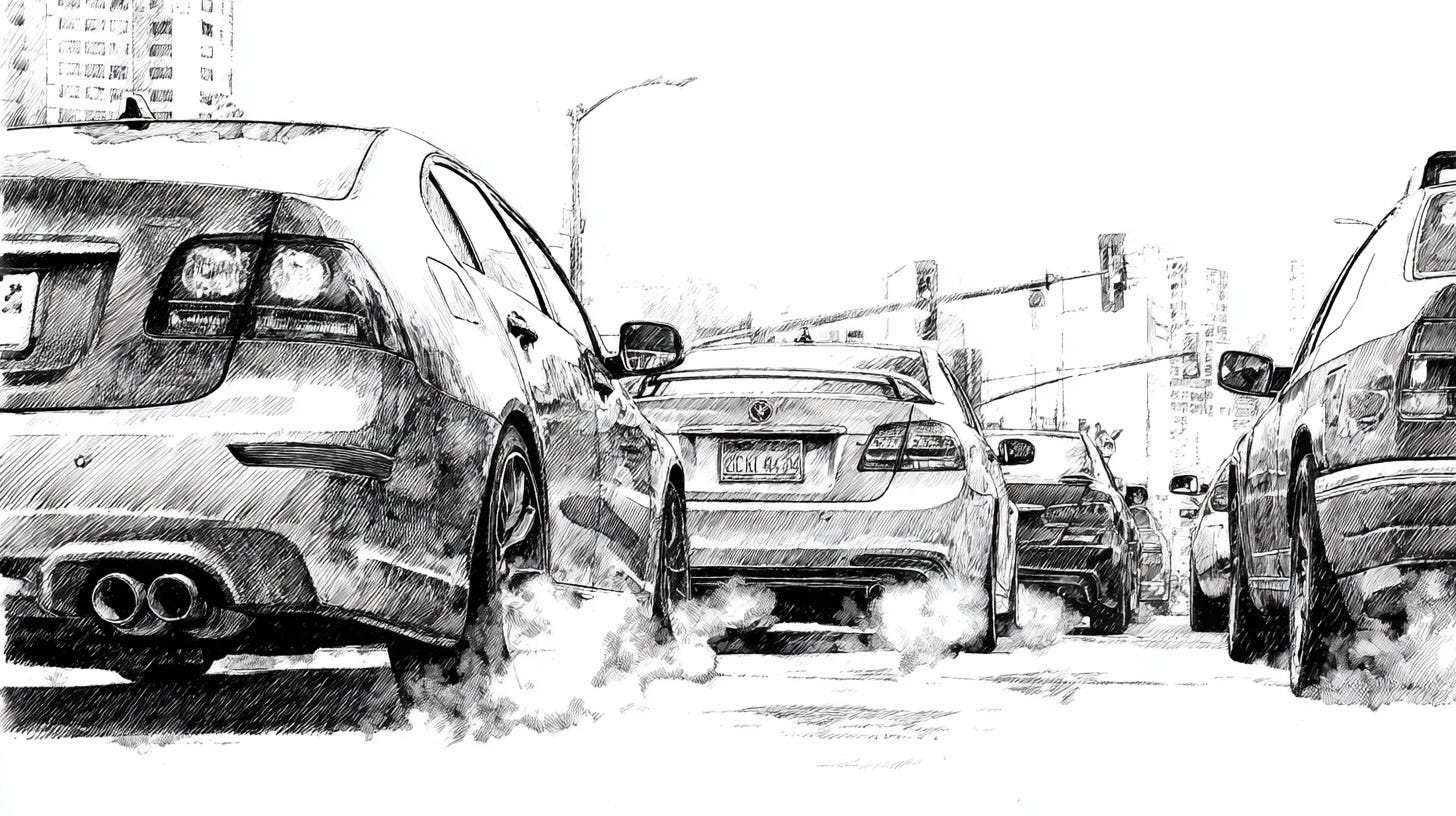
For your health this rollback carries a hidden cost. More gas guzzlers on the road means more pollution in the air near your home, around your children’s schools, around busy intersections. Communities near highways or in dense cities will feel it most. Asthma, respiratory problems, and long-term health risks all happen when the air we inhale becomes dirtier.
For the future this rollback undercuts incentives for automakers to invest in electric vehicles or more efficient hybrids. When regulations demand efficiency, companies innovate: lighter frames, cleaner engines, electrified drivetrains. When regulations disappear, companies revert to what made them the most profit over the last decades: SUVs, heavy trucks, gas engines.
Why This Happened and What Was Traded Away
This rollback emerged not because of a natural shift, but because money and influence found their way back into policy. The law that stripped enforcement was shaped under pressure from the automobile lobby. The fence-rails meant to keep industry accountable came down because certain powerful interests decided that cleaner cars cost too much now.
When you buy a car under the new standard, automakers are no longer required to aim high for efficiency or emissions. Instead, they face no penalty for delivering low-efficiency vehicles. That removes any incentive to invest in new technologies. Your family ends up paying more for fuel and your children end up paying more in lost health and environmental quality.
Global Context: The World’s Moving Forward While We Reverse
In many countries around the world automakers are embracing cleaner technology, hybrids, electric cars. These nations are building smarter, more efficient vehicles that save fuel costs for families and cut pollution that harms health and climate. Their people breathe easier; their industries plan for long-term sustainability.
In the United States the policy reversal signals a retreat rather than progress. Instead of pushing for safer air and long-term savings, regulators bowed out under pressure from industry. Automakers are free to keep selling high-emission gasoline vehicles, devoting fewer resources to cleaner options. This is a typical “profits over the safety of people” play that places the United States behind global leaders, risking its reputation in advanced automotive technology and undermining long-term innovation.
Your Next Move
You should feel concern for what this shift means for your day-to-day life. You should feel outrage that corporate influence reshaped rules that once protected you, your family, and future generations. You should feel clarity that this is a turning point, a moment when your voice, your vote, and your demand for accountability matter more than ever.
You can push back by refusing to accept pollution as the price of price cuts. You can demand that your community and your representatives insist on standards that protect health, not just automakers’ profits. You can vote with your voice and your wallet by supporting cleaner cars, by calling for accountability, by speaking out on behalf of future generations.
Wrapping It Up
The reset of fuel economy standards under the One Big Beautiful Bill Act rewrote the rules so that automakers face no real consequences for selling gas-guzzling, polluting vehicles. That rewrite threatens your wallet, your air, your children’s future.
Everyone deserves cars that respect their health and their budgets. This moment reveals who cares about corporate profit and who cares about families. Raise your voice. Demand better. Share this message.
Mitch Jackson, Esq.
Uncensored Objection is a reader supported publication. To receive new posts and support my work, consider becoming a free or premium subscriber.