

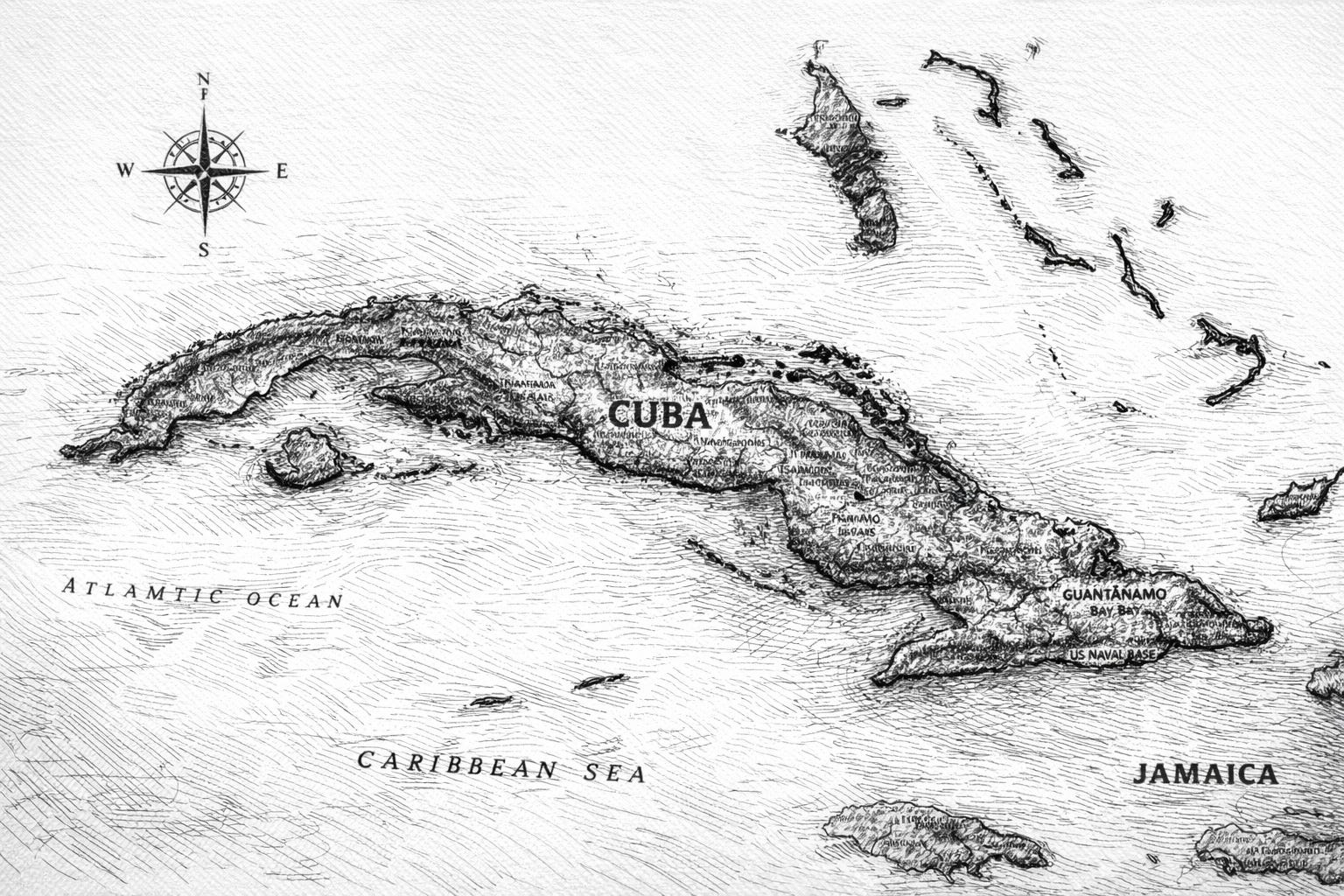
The story you are being sold about Venezuela sounds familiar. Crime, oil, ideology, strongmen, instability. A larger design sits underneath it.
Venezuela has long functioned as Cuba’s economic lifeline. Cuba has long functioned as Venezuela’s internal control system. Corruption has functioned as the glue that held both together. Now a new layer appears.
This entire sequence may also serve a broader aim. Weakening Venezuela may be the first step toward isolating and ultimately dominating Cuba itself. Crime, money, power, and self dealing explain how every piece moves.
Why Control of Venezuela Opens the Door to Cuba
Venezuela has not only shipped oil. Venezuela has shipped survival to Cuba.
For years, subsidized Venezuelan oil helped keep Cuba’s aging power grid alive. In return, Cuba embedded doctors, advisers, intelligence operatives, and political strategists inside Venezuela. This relationship created dependence. Dependence produced leverage. Leverage produced corruption.
Oil shipments became political currency. Contracts became rewards. Licenses became private assets. Sanctions pressure created a black market economy that benefited those closest to power. This system enriched insiders on both sides and kept ordinary citizens poor.
When Venezuelan production collapsed and infrastructure decayed, the pipeline sustaining Cuba became fragile. Energy shortages in Cuba worsened. Public frustration grew. Havana faced a threat not only to comfort but to control. Losing Venezuelan oil destabilizes the Cuban state itself.
If the United States gains decisive influence over Venezuela, Cuba loses its most important external support. That loss weakens Cuba economically, politically, and socially. Control over Venezuela does not end with oil. It tightens the noose around Havana.
The Venezuelan Security State as a Corruption Engine
Venezuela operates through a military dominated system where oil revenue fuels personal enrichment. Control over exports, shipping routes, and access to dollars creates a profit machine for those at the top.
This structure generates predictable crimes. Kickbacks through state contracts. Skimming through intermediaries. Laundering through shell companies. Smuggling fueled by artificial scarcity. Bribes exchanged for access to food, medicine, fuel, and currency.
Cuba benefits when Cuban aligned personnel retain influence inside Venezuelan intelligence and security services. That influence protects the flow of oil. It protects the people collecting money. It protects the political project shared by both governments.
This arrangement explains why Cuba has remained so deeply invested in Venezuela’s internal power structure. Cuba has not merely watched events unfold. Cuba has had a stake in keeping the system intact.
If that system breaks, Cuba faces isolation. Isolation opens the door to external pressure. External pressure invites regime change.
The U.S. Operation and the Corruption Incentive
In early January 2026, U.S. forces captured President Nicolás Maduro and his wife and transferred them to the United States. The Trump administration justified the operation using criminal allegations. The administration also signaled intentions to oversee Venezuela temporarily and invite U.S. oil companies to rehabilitate its energy sector. I wrote about it here.
Those statements matter. When military action coincides with resource control, corruption risks explode. Urgent decisions reduce oversight. Contracts move quickly. Power concentrates in fewer hands.
Every incentive points toward self dealing. Political donors seek access. Corporate players seek favorable terms. Foreign intermediaries seek protection. Public authority turns into private leverage.
This environment also advances a strategic objective. Removing Venezuela from Cuba’s orbit starves Havana of energy, money, and influence. It increases Cuba’s vulnerability to economic collapse. It increases internal pressure. It reduces Cuba’s ability to project power abroad.
A weakened Cuba becomes easier to dominate economically, diplomatically, and politically. Venezuela becomes the lever. Cuba becomes the target.
Corruption as the Bridge Between Venezuela and Cuba
When long standing power structures break, corruption does not disappear. It relocates.
As Venezuela shifts allegiances, old routes close and new routes open. Smuggling expands. False documentation spreads. Brokers emerge to manage the transition. The same people who profited under the old system search for positions in the new one.
This transition phase benefits criminals and opportunists. Public rhetoric speaks of liberation and reform. Private actors count profits. Every disruption creates winners and losers. Corruption determines who survives.
If the end goal includes isolating Cuba, corruption becomes a tool. Pressure forces insiders to defect. Deals fracture alliances. Economic pain destabilizes governance. Control replaces consent.
What This Means for You and Your Family
Foreign policy does not stay foreign. You live downstream from these decisions.
Destabilization in the Caribbean increases migration pressure. Migration becomes a political weapon. Division deepens. Accountability weakens.
A president who uses force abroad and speaks openly about controlling other countries normalizes the idea that law is optional. That mindset does not remain overseas. It shows up at home.
When corruption drives foreign policy, democracy erodes. When leaders treat countries as assets and power as personal property, institutions weaken. That affects your economy, your security, and your children’s future.
Conclusion
Oil matters in Venezuela. Cuba defines the structure around Venezuela. Corruption explains how the system survives and adapts. The emerging possibility is that this entire sequence also serves a longer campaign to weaken and ultimately dominate Cuba.
This crisis centers on control of energy, control of security services, control of money flows, and control of who profits. That is why the story keeps evolving without ever resolving.
Stay alert. Ask who benefits. Demand oversight. Share this with people who still believe this is only about oil or only about Venezuela, because democracies fail when corruption becomes routine and silence becomes policy.
Mitch Jackson, Esq.