

“We do not and never will sell any of your information to anyone.”
-Mark Zuckerberg (2010)
A jury in Santa Fe went further than Washington ever did
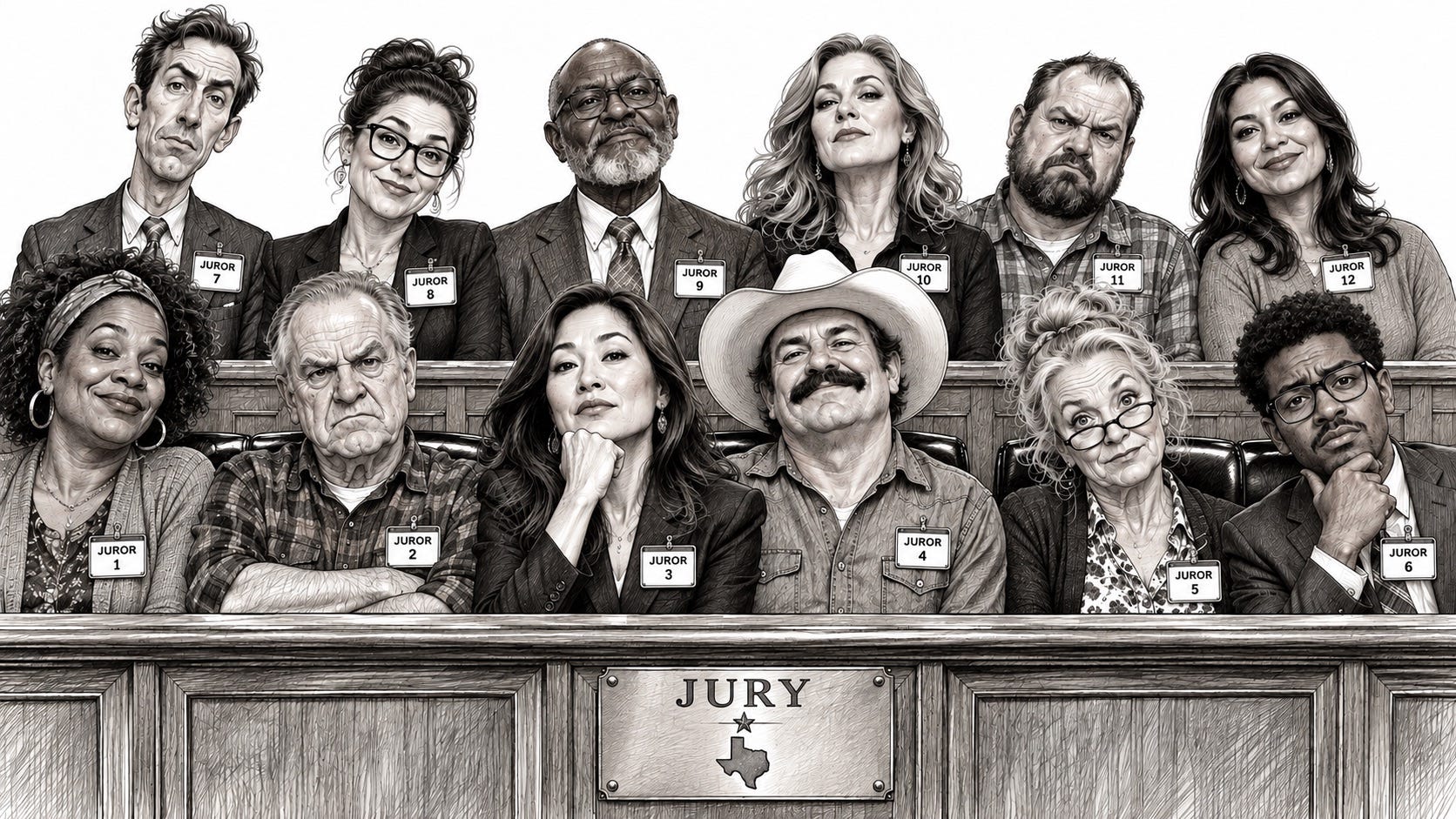
On Friday, September 25, a jury in Santa Fe sat with eleven years of Facebook promises in front of them and finally gave those promises their proper name.
Lies.
The jury found that Meta, the company formerly known as Facebook, willfully violated New Mexico’s Unfair Practices Act 43,899,720 times by misleading people about their data. Each violation carries a penalty of up to $5,000. Multiply those two numbers together and you land squarely at a theoretical ceiling of roughly $219.5 billion, more than forty times the $5 billion the Federal Trade Commission took from Facebook after Cambridge Analytica, and far beyond any penalty any court or regulator has ever imposed on a tech company.
Your data made them billions of dollars, and Meta set the price of your trust at zero.
Back in 2010, Mark Zuckerberg wrote in the Washington Post, “We do not and never will sell any of your information to anyone.” That sentence landed in the courtroom like a smoking gun. The state argued Facebook sold data to outside apps like the one behind the Cambridge Analytica harvest and carved out policy exceptions for certain users. A willful finding means the jury concluded the company knew what it was doing and kept talking anyway.
Inside the jury’s findings
Jurors weighed 29 public statements from top Meta executives, with Mark Zuckerberg and former COO Sheryl Sandberg at the head of the list, and sorted them into five categories: control of your data, misinformation, hate speech, equal enforcement of community standards, and the investigation Meta promised after the Cambridge Analytica scandal blew up. All five came back willful. The jury also found Meta committed unconscionable trade practices in every category, which in plain English means the company took advantage of what ordinary people did not know, and did it to a grossly unfair degree. Picture a mechanic who knows you have no idea what sits under the hood and charges you for a new engine to fix a loose belt. The law calls that kind of conduct unconscionable.
Here is how the jury reached 43.9 million. Jurors found 26 of the 29 statements willfully deceptive, and the verdict form assigns each one a count tied to how many New Mexicans it reached. Every statement delivered through an outside news outlet carries 2.1 million violations. Every statement posted on Facebook’s own channels or made on an earnings call carries 1,386,648. Add them up and you get 43,899,720.
The Cambridge Analytica category drew the most violations, more than 18.1 million of them. The scandal started with a personality quiz app that scraped data from roughly 87 million Facebook profiles and sold it to Cambridge Analytica, a political consulting firm that used it to target ads in the 2016 election. After the story broke in 2018, Meta promised to audit suspicious apps and ban developers who misused your data. It also promised to notify every person affected. Torrez says more than 350,000 New Mexicans might have been caught up in that harvest. The jury decided those cleanup promises were part of the deception itself. In total, the state won on 31 of the 34 questions on the verdict form.
New Mexico stayed out
Former Attorney General Hector Balderas filed this case in 2021 and went it alone from day one. In August, Meta agreed to a multistate consent judgment in Oakland that paid about $459 million across 48 states and released the company from Cambridge Analytica claims, future ones included, closing nearly every door that led back to a jury and locking it behind them. New Mexico stayed out.
One state refused to cash the check, and that refusal put a record potential penalty on the table.
Attorney General Raúl Torrez inherited the case and kept litigating, with one courtroom and one jury behind him, and that gamble produced the biggest potential penalty in the platform’s history. He says he told his trial team to seek the maximum. Answering years of Facebook acting as if the rules did not apply to it, he put it plainly: “Today, a jury of New Mexicans said otherwise.”
Under state law, civil penalties like these flow into a fund that supports New Mexico schools. Money taken through deception ends up educating kids, a kind of rough justice no press release would ever manufacture.
Now a judge sets the price
District Judge Francis Mathew decides the final number. He will set the penalty for each violation anywhere up to $5,000, and he will decide what changes Meta must make to how it treats your data, with Torrez expecting a ruling within weeks and his office pushing for every dollar the law allows.
Meta disagrees with the verdict and says it will keep defending itself, arguing the First Amendment protects how it runs its platforms. Torrez says any appeal might take two to three years, and once the judge enters judgment, interest starts piling up every day of it. My thoughts are that I think the finding of willful deception survives with the final dollar figure being substantial, but landing well below the $219 billion ceiling. The clock is ticking.
Round two against Meta
This verdict marks New Mexico’s second jury win over Meta this year. Back in March, a different jury found the company exposed children to predators and misled consumers about the risks, and it ordered $375 million in penalties. In August, a judge added a $567 million order to fund help for harmed teens, bringing that case to about $942 million. Meta has paid none of it so far. The company posted a $1.8 billion bond and asked the court for a new trial.
Friday’s verdict pays nothing to individual users. Residents remain free to sue. Torrez said his office plans to work with the court to notify the more than 350,000 New Mexicans potentially affected by the harvest, and the sheer size of that effort, reaching into hundreds of thousands of homes and phones across one state, shows how far the damage might have spread.
Why this one is about you
Read that number one more time, the big one at the top.
You were the product being sold. This verdict puts a price tag on that sale, counted statement by statement across millions of people who trusted a little blue icon with their family photos and their private messages. Think of a bank that swore your safe deposit box stayed locked and then handed out copies of the key to strangers.
Your privacy belongs to you, and no company gets to trade it away with a promise it never meant to keep.
A jury of ordinary New Mexicans held 26 of Meta’s public promises up to the light and counted the harm in the tens of millions. The era of empty privacy promises is starting to crack. The next move belongs to other states deciding whether to pick up New Mexico’s playbook, and to Washington deciding whether your data deserves the same protection as your money and your home.
Tell me in the comments whether you believed them when they said your data was safe, and share this with someone who still does, because the people still trusting those promises are the ones who most need to read this today.
Mitch Jackson, Esq.
The people behind this verdict decided their privacy mattered, and you get to make that same decision today by learning your privacy rights and security rights under the law. Subscribe to my new Privacy in America Substack right now, because every week I break down data privacy and surveillance issues so you can protect yourself before someone else profits from your information.
I’m so proud of New Mexico! They also may be the first in the country to get any accountability concerning Epstein’s child sex trafficking ring.